

Flights disrupted for second day after cyberattack hits European airports
Brussels Airport cancelled half of Monday departures amid system outage
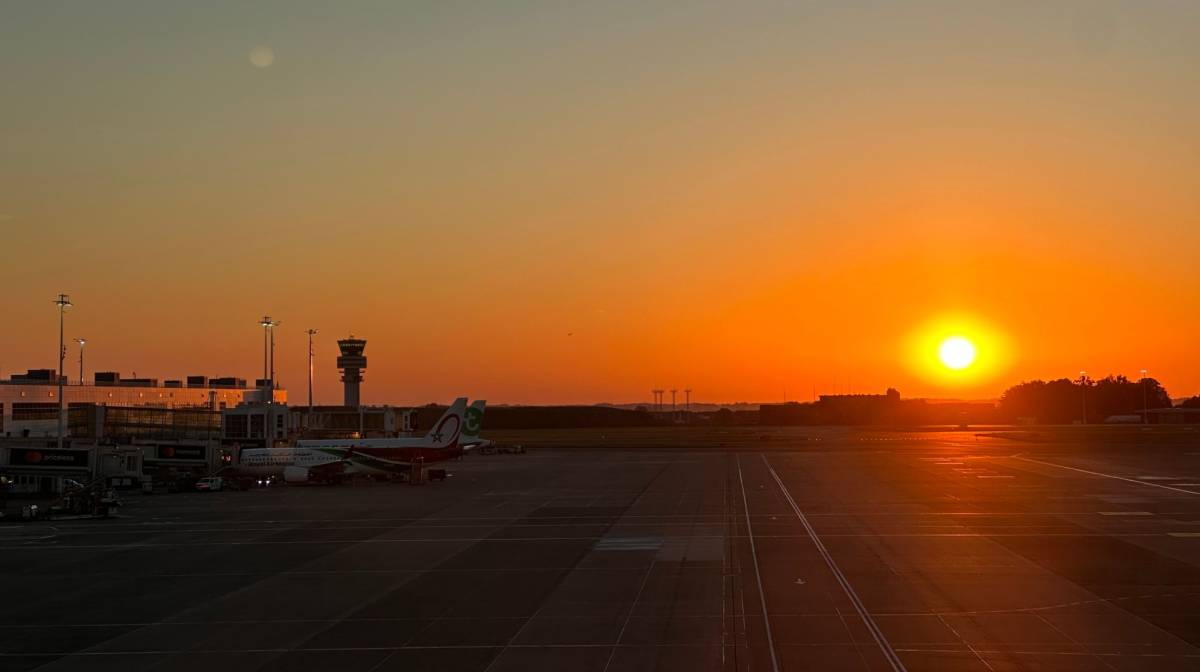
DUBAI – Disruption at major European airports stretched into a second consecutive day on Sunday, as the fallout from a cyberattack on airline check-in systems caused widespread cancellations and delays.
Brussels Airport, the worst affected, announced that nearly half of its scheduled departures for Monday would be cancelled. Heathrow in London and Berlin’s Brandenburg Airport reported improvements, though lingering delays continued to inconvenience passengers.
Work continues to resolve and recover from Friday's outage of a Collins Aerospace airline system that impacted check-in. We apologise to those who have faced delays, but by working together with airlines, the vast majority of flights have continued to operate.
— Heathrow Airport (@HeathrowAirport) September 20, 2025
We encourage… pic.twitter.com/Y5YNCiOrk2
The cyberattack targeted software provided by Collins Aerospace, a US-based company that supplies check-in and boarding technology to airlines. The breach, first reported late on Friday, forced staff at several airports to resort to manual systems, including handwritten boarding passes and backup laptops.
Situation at Brussels Airport
On Saturday, Brussels Airport cancelled 25 departures, followed by 50 on Sunday. The airport confirmed it had asked airlines to cut 140 outbound flights from Monday’s schedule, representing half of its 276 planned departures. Officials said the cancellations would continue until a secure updated version of the check-in system was delivered.
Despite the disruption, Brussels Airport maintained about 85% of departures over the weekend by deploying extra staff and relying on online check-in and self-service bag drop systems.
Wider disruption
At Berlin Brandenburg, longer waiting times at check-in and baggage handling were reported, though operations began to resemble a normal schedule by Sunday.
Due to a systems outage at a service provider, there are longer waiting times at #BER. Please use online check-in, self- service check-in and the fast bag drop service.
— BER – Berlin Brandenburg Airport (@berlinairport) September 21, 2025
Heathrow said the majority of flights had operated as usual, even as work continued to restore the system. Aviation data provider Cirium reported that 38 departures and 33 arrivals were cancelled across the three airports on Sunday morning alone.
Dublin Airport also confirmed it was affected, though it expected to run a full schedule.
Update @ 12 noon
— Dublin Airport (@DublinAirport) September 21, 2025
The Dublin Airport team is supporting airlines today (Sunday) as they manage ongoing disruption from a Europe-wide technical issue affecting check-in and boarding systems.
As of midday, 13 flights have been cancelled - 9 inbound and 4 outbound.
????(1/4) pic.twitter.com/xMTw9MzLXT
Airlines in Terminal 2 continued using manual processes for bag tags and boarding passes, extending check-in times.
What we know about cyberattack
The European Commission said aviation safety and air traffic control were not compromised by the incident. Investigations into the source of the cyberattack are under way, with no clear attribution yet identified. Collins Aerospace’s parent company RTX Corp. confirmed that the issue stemmed from a “cyber-related disruption” to its MUSE software, which is used across multiple airports worldwide.